In the traditional era of marketing, brands spoke at consumers through billboards and television spots. Today, the monologue has become a dialogue. Social media has transitioned from a simple networking tool into the most formidable marketing engine in history. It isn't just an "option" for brands anymore; it is the arena where the modern business lives or dies.
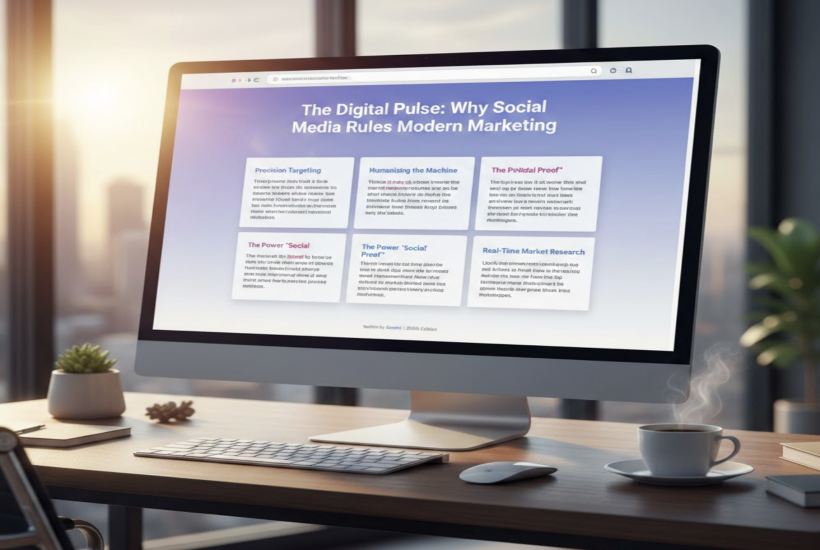
The true magic of social media lies in its data. Unlike a highway billboard that hopes the right person drives by, social platforms allow brands to find their "tribe" with surgical precision. Whether you are selling eco-friendly yoga mats or high-end software, algorithms ensure your message lands in front of the people most likely to care. This ROI-focused approach ensures that every marketing dollar works harder.
People don’t want to buy from faceless corporations; they want to buy from stories. Social media provides the "behind-the-scenes" access that builds authentic trust. Through Instagram Stories, TikTok trends, and LinkedIn thought leadership, a brand can showcase its values, its team, and its humor. This emotional connection transforms one-time buyers into brand advocates.
We are social creatures. When we see a peer tagging a brand or an influencer reviewing a product, it carries more weight than any paid advertisement. Social media facilitates this "electronic word-of-mouth" at a global scale. A single viral post can provide more exposure than a million-dollar Super Bowl ad, leveling the playing field for startups and giants alike.
Social media serves as the world’s largest focus group. Brands can receive instant feedback on a new product launch or a marketing campaign. By monitoring comments and engagement metrics, companies can pivot their strategies in real-time, staying agile in a market that moves at the speed of light.
Marketing is no longer about who has the loudest megaphone; it’s about who builds the strongest community. Social media is the bridge that connects brand identity with consumer reality. By embracing these platforms, brands don't just sell products—they become a part of the cultural conversation.